
Building the Future
How STEM Activities Encourage Critical Thinking in Kids
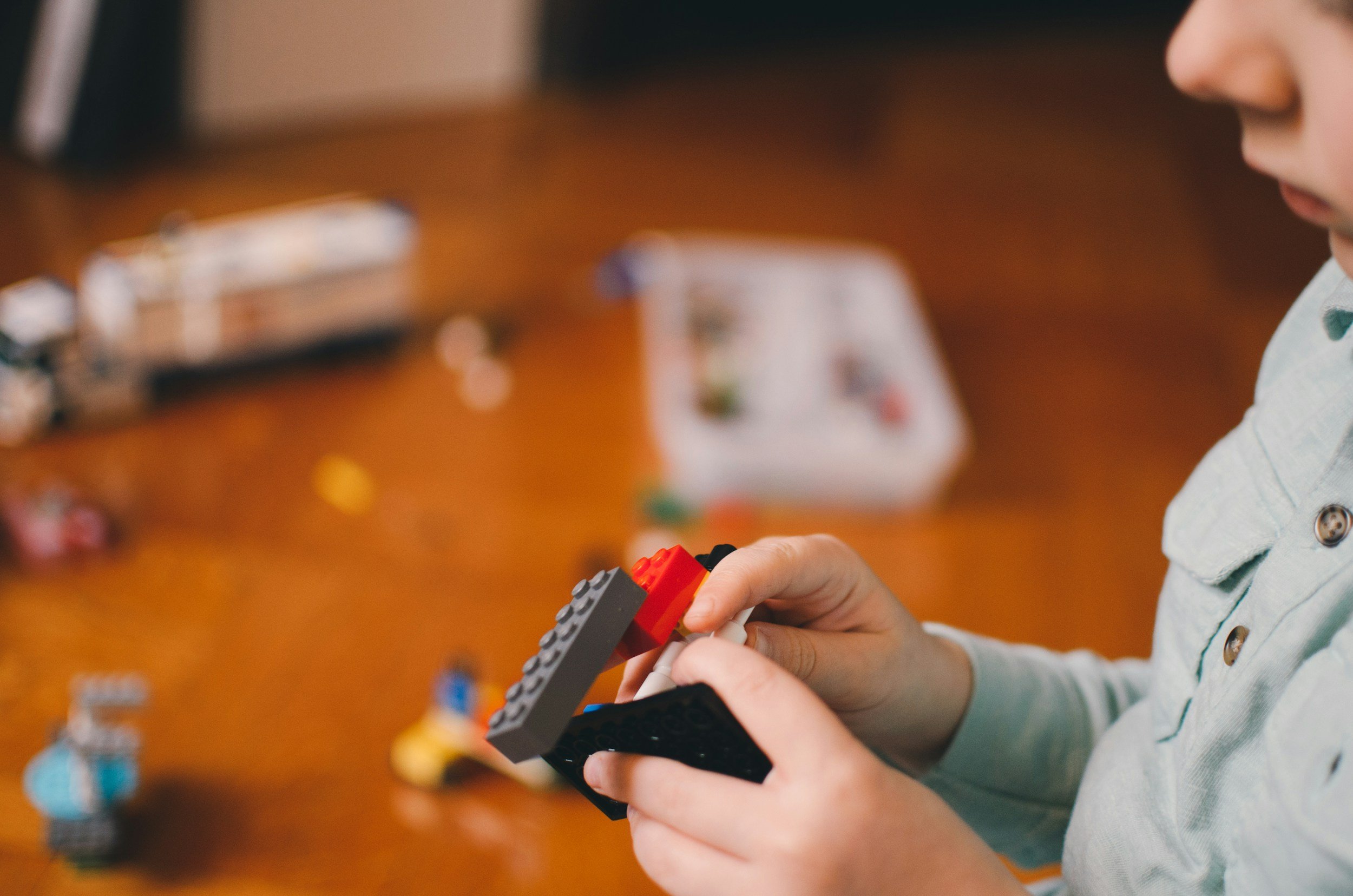
Science, Technology, Engineering, and Mathematics (STEM) are more than just academic subjects—they are pathways to developing essential problem-solving skills that help children navigate an increasingly complex world. By engaging in STEM activities, kids learn to think critically, explore creative solutions, and develop a lifelong love for inquiry-based learning. These skills not only prepare them for future careers but also enhance their ability to analyze and understand the world around them.

The Role of STEM in Developing Critical Thinking
STEM education teaches children how to approach problems systematically. Instead of simply memorizing facts, kids engage in hands-on projects that require them to hypothesize, experiment, and refine their understanding through trial and error. This method encourages logical reasoning and adaptive problem-solving—core components of critical thinking.
One key aspect of STEM learning is its focus on asking questions. Children engaged in STEM activities are encouraged to be curious and investigate how things work. Whether they are figuring out how to balance a structure or coding a small robot, they learn to break complex problems into manageable parts and work toward solutions.
Furthermore, STEM activities cultivate resilience. When children encounter challenges in engineering a bridge out of popsicle sticks or programming a simple robot, they learn the value of persistence. These problem-solving experiences train young minds to approach obstacles with confidence, fostering a growth mindset that benefits them throughout their lives.
Additionally, STEM projects emphasize data-driven decision-making. Whether measuring the effects of different soil types on plant growth or analyzing patterns in coding exercises, children learn to evaluate evidence and make informed conclusions—an essential skill in both academic and real-world settings. This process of testing, revising, and drawing conclusions reinforces logical thinking and supports informed decision-making.
Encouraging Creativity Through Hands-On Exploration

STEM isn’t just about numbers and formulas—it thrives on creativity. Engineering challenges, science experiments, and coding projects all require innovative thinking and an open-ended approach to problem-solving. The ability to think creatively within STEM disciplines allows kids to experiment freely, make mistakes, and refine their ideas based on feedback and observations.
For example, designing a paper airplane may seem like a simple task, but when kids are encouraged to modify their designs for improved flight distance or stability, they engage in iterative problem-solving. These small yet powerful activities help them understand how creativity and critical thinking go hand in hand. They begin to see failures not as mistakes, but as learning opportunities to improve their designs and methods.
Moreover, STEM fosters interdisciplinary learning. A single project might combine physics (understanding force and motion), math (measuring distances), and engineering (designing a functional model). This interconnected approach mirrors real-world problem-solving, where solutions often require input from multiple fields. Learning to integrate different disciplines teaches kids to think holistically and apply their knowledge in meaningful ways.
Encouraging hands-on exploration also helps children build confidence in their abilities. When they complete a project—whether it’s programming a basic app or building a simple electric circuit—they experience a sense of achievement. This confidence fuels further learning, making them more willing to tackle increasingly complex challenges in the future.
Real-World Problem-Solving Skills

One of the greatest benefits of STEM education is its ability to make abstract concepts tangible. When children apply mathematical concepts to build structures or use science to create a working circuit, they see firsthand how their knowledge translates into practical applications. This real-world connection deepens their understanding and enhances their ability to tackle challenges beyond the classroom.
Take environmental science projects as an example. Kids who study renewable energy through solar-powered experiments gain an appreciation for sustainable solutions. This not only reinforces their critical thinking skills but also nurtures a sense of global responsibility and awareness. They begin to understand how science and technology can be used to solve real-world issues, from climate change to medical advancements.
Additionally, teamwork is an integral part of many STEM activities. Group projects encourage collaboration, communication, and the ability to consider different perspectives—skills that are crucial for problem-solving in professional and everyday settings. When children work together to solve challenges, they learn how to listen, contribute ideas, and build upon each other’s strengths. This collaboration prepares them for future academic and career environments where teamwork is essential.
Another key aspect of STEM-based problem-solving is adaptability. Scientific and technological advancements are constantly evolving, and children who engage in STEM activities learn to embrace change. Whether they are troubleshooting a coding error or adjusting the design of a model bridge, they develop the ability to modify their approach when faced with new information.
Hands-On STEM Activities to Try at Home
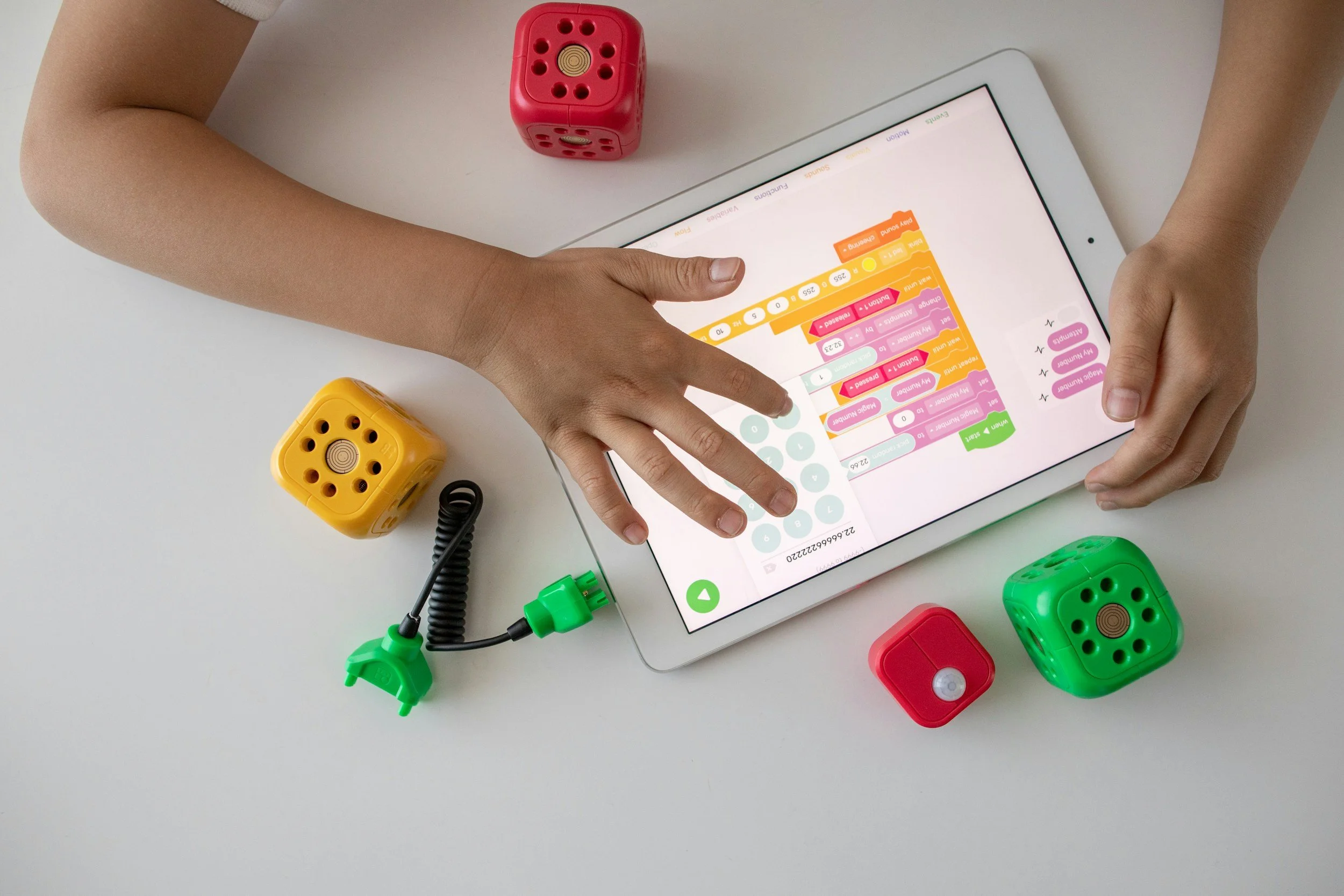
Parents and educators can easily integrate STEM learning into everyday activities. Here are a few simple yet effective projects to inspire curiosity and critical thinking in kids:
Build a homemade water filter: Teach children about environmental science by constructing a simple filter using sand, gravel, and charcoal to purify water. This hands-on experiment demonstrates the principles of filtration and resource sustainability.
Create a DIY lava lamp: Demonstrate the principles of density and chemical reactions using oil, water, and effervescent tablets. This activity is an engaging way to introduce children to fundamental chemistry concepts.
Launch a baking soda and vinegar rocket: Explore physics by constructing a small rocket that demonstrates the power of chemical reactions and propulsion. Kids can experiment with different ratios to understand how various factors influence the outcome.
Design a spaghetti bridge: Challenge kids to build a bridge using spaghetti and marshmallows, reinforcing engineering and structural principles. By testing different structures for strength and stability, they develop an understanding of engineering concepts in a fun and interactive way.
Code a simple animation: Introduce basic programming concepts using block-based coding platforms like Scratch, fostering problem-solving and computational thinking. Coding activities provide an excellent foundation for logical reasoning and digital literacy.
Key Takeaways for Families
STEM activities strengthen critical thinking: Hands-on experiments teach kids to analyze problems and find creative solutions.
Encourages creativity and innovation: Open-ended STEM challenges promote imaginative thinking and iterative learning.
Builds real-world problem-solving skills: Applying STEM concepts to everyday situations fosters deeper understanding.
Fosters teamwork and collaboration: Group projects teach communication, adaptability, and cooperative learning.
Lays the foundation for lifelong learning: Engaging with STEM from an early age nurtures curiosity and prepares children for future success.
Inspired to Take Action?
Encourage your child’s curiosity and problem-solving skills through hands-on STEM experiences. Here are three simple ways to get started:
Incorporate STEM challenges into daily play: Provide kids with materials for open-ended building, experimenting, and problem-solving.
Use technology as a tool for learning: Explore coding apps, robotics kits, and online experiments that make STEM subjects engaging.
Join Global Galactics: Discover books and resources like The Spark at the Center of the Universe that integrate STEM learning with storytelling and exploration.
STEM education is more than just academic enrichment—it’s a way to cultivate the next generation of thinkers, creators, and problem-solvers. By incorporating STEM activities into everyday learning, we equip children with the skills they need to innovate, explore, and change the world.
ReferencesSTEM Minds. (2023). How STEM activities boost critical thinking skills in kids. STEM Minds. Retrieved from https://www.stemminds.com/how-stem-activities-boost-critical-thinking-skills-in-kidsResearchGate. (2023). Development of students' critical thinking skills with STEM activities in early childhood science education. ResearchGate. Retrieved from https://www.researchgate.net/publication/382580942_Development_of_Students%27_Critical_Thinking_Skills_with_STEM_Activities_in_Early_Childhood_Science_EducationScience4Us. (2023). Why STEM is crucial in early childhood education. Science4Us. Retrieved from https://science4us.explorelearning.com/resources/insights/stem-in-early-childhood-educationPapilio Early Learning. (2023). How STEM education fosters critical thinking & problem-solving skills in young children. Papilio Early Learning. Retrieved from https://papilio.com.au/news/how-stem-education-fosters-critical-thinking-problem-solving-skills-in-young-childrenPre-College Programs. (2023). Breaking down complex problems: Critical thinking in STEM. Pre-College Programs. Retrieved from https://precollegeprograms.org/stem-resources/breaking-down-complex-problems-critical-thinking
